How to Find a Bag Manufacturer for Your Brand Without Costly Mistakes

Many new brands assume that finding a factory is the first step in launching a handbag collection. In reality, successful handbag manufacturing for startups begins long before contacting manufacturers. Founders should first define their product strategy, target customer, budget, pricing goals, production timeline, and product specifications. By laying this groundwork early, brands are better positioned to choose the right manufacturing partner and avoid costly delays, unnecessary revisions, and expensive production mistakes.
Therefore, this guide explains the steps you should take before approaching factories and how proper preparation can help turn your handbag idea into a successful product.
Steps Required To Avoid Costly Mistakes
Here are a few steps that can be followed to avoid costly mistakes while finding the right manufacturer for your bag brand:
1) Start with Your Product Strategy, Not Your Manufacturer
Before searching for manufacturers, take time to develop a clear product strategy. You can ask yourself:
Who is your target customer?
What type of handbag are you creating?
What price point do you want to achieve?
Which materials and hardware suit your brand?
What makes your product different from competitors?
What is your production budget?
What quantity do you expect to manufacture?
Having answers to these questions makes conversations with manufacturers far more productive.
2) Build a Strong Manufacturing Plan
A successful product launch relies on a clear bag manufacturing strategy that guides every stage of development. Your strategy should outline:
Product positioning
Target retail price
Estimated manufacturing cost
Material sourcing
Production timeline
Sampling stages
Quality expectations
Growth plans for future collections
A structured plan helps reduce uncertainty and improves decision-making throughout the manufacturing process.
3) Create a Detailed Tech Pack Before Contacting Factories
Many factories cannot provide accurate pricing or timelines without proper technical documentation. A comprehensive handbag tech pack should include:
Technical drawings
Product dimensions
Material specifications
Hardware details
Stitching instructions
Colour references
Branding placement
Packaging requirements
Providing detailed documentation helps manufacturers understand your product accurately and reduces unnecessary back-and-forth communication.
4) Understand Your Sampling Requirements
Before committing to production, brands should plan how their samples will be developed and evaluated. Consider:
Prototype Objectives
Determine what you want to assess during sampling, such as functionality, construction, proportions, or material performance.
Sample Revisions
Most products require refinements before reaching production-ready status.
Budget for Development
Sampling is an important investment that helps identify improvements before larger production costs are incurred.
5) Know Your Budget and Minimum Order Quantities
Manufacturers often have different minimum order quantity (MOQ) requirements depending on the product, materials, and production methods.
Before making enquiries, understand:
Your production budget
Target manufacturing cost
Acceptable MOQ range
Cash flow available for production
Shipping and import costs
Planning your finances early allows you to shortlist manufacturers that align with your business goals.
6) Choose the Right Manufacturing Route
Not every brand follows the same production pathway. Depending on your business model, you may work with:
Boutique manufacturers
Large-scale factories
Specialist leather workshops
Product development studios
Sourcing partners
Choosing the right manufacturing route depends on your product complexity, production volume, and long-term objectives.
When to Approach a Manufacturer?
Once your planning is complete, you will be in a much stronger position to begin discussions with manufacturers. Before reaching out, make sure you have:
A defined product concept
Technical documentation
Budget expectations
Sampling plan
Production timeline
Quantity estimates
Manufacturers can then provide more accurate quotations and realistic production advice.
From Prototype to Production Journey
The journey from bag prototype to production should be viewed as a gradual development process rather than a single manufacturing step.
Each stage provides an opportunity to:
Test product functionality
Assess material quality
Refine construction
Improve finishing details
Confirm manufacturing consistency
Taking time during product development often leads to stronger final results.
Create a Pre-Production Checklist
Before approving manufacturing, complete a manufacturing checklist for handbag brands to ensure nothing important has been overlooked.
Process | Reasons |
Product Ready | Confirm specifications, dimensions, and materials are finalised. |
Sample Approved | Ensure all design revisions have been completed and approved. |
Production Details Confirmed | Review timelines, quantities, packaging, and quality expectations with the manufacturer. |
Documentation Complete | Verify that the latest technical files have been shared with every production partner. |
A structured checklist reduces errors and provides greater confidence before manufacturing begins.
The Common Mistakes to Avoid
Many production problems can be prevented through careful preparation.
Avoid these common mistakes:
Contacting manufacturers before defining your product.
Choosing a factory based solely on price.
Skipping the sampling stage.
Providing incomplete technical documentation.
Ignoring MOQ and budget limitations.
Failing to establish realistic production timelines.
The more prepared you are before contacting factories, the smoother the manufacturing process is likely to be.
Consider Professional Product Development Support
Many founders benefit from working with a bag sourcing consultant during the early stages of product development. But choosing a reliable consultant can help with:
Supplier Selection
Identifying manufacturers that match your product requirements.
Technical Guidance
Reviewing documentation before production begins.
Factory Communication
Helping ensure expectations are clearly understood throughout the development process.
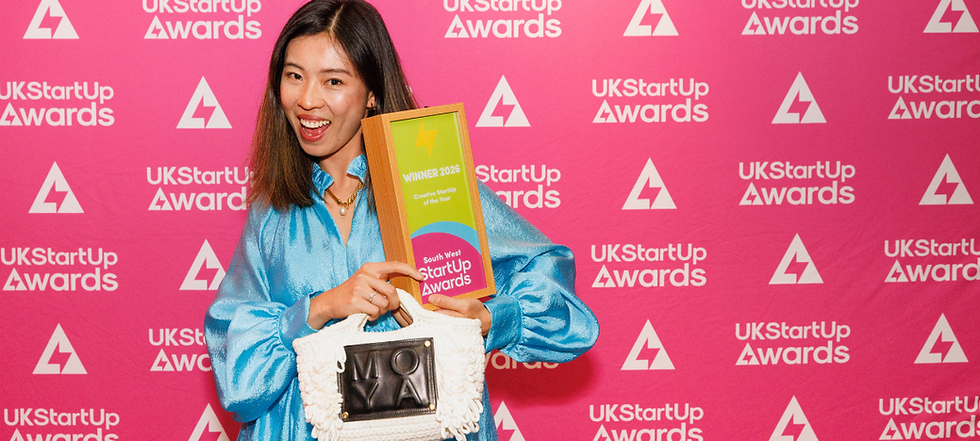
At MOYA Studio, we help founders prepare for manufacturing before they approach factories. This includes product strategy, technical documentation, prototype and sampling guidance, material and construction decisions, and manufacturer sourcing support. Our role is to help founders move into factory conversations with a clearer, more developed product and fewer avoidable risks.
Conclusion
In conclusion, finding the right bag manufacturer is an important milestone, but it should never be the first step in developing your brand. A clear product strategy, realistic budget, detailed technical documentation, sampling plan, and understanding of your manufacturing options all lay the foundation for successful production. By investing time in preparation before approaching factories, founders can make better decisions, build stronger manufacturing relationships, and significantly reduce the risk of costly mistakes.
Frequently Asked Questions
Q: Why is a tech pack important?
A: A tech pack provides manufacturers with detailed product information, helping them understand your design, provide accurate quotations, and produce the handbag according to your requirements.
Q: What is a minimum order quantity (MOQ)?
A: MOQ is the smallest number of units a manufacturer is willing to produce in a single production run. It varies between factories.
Q: Why is sampling necessary before production?
A: Sampling allows brands to evaluate materials, construction, fit, functionality, and overall quality before committing to full-scale manufacturing.
Q: Can product development experts help new handbag brands?
A: Yes. Product development specialists can assist with planning, technical documentation, sourcing, sampling, and factory communication, helping founders navigate the manufacturing process more efficiently.


Comments